Designed to Dazzle, Built to Blur: How Luxury Casino Interfaces Quietly Steal Your Time and Budget
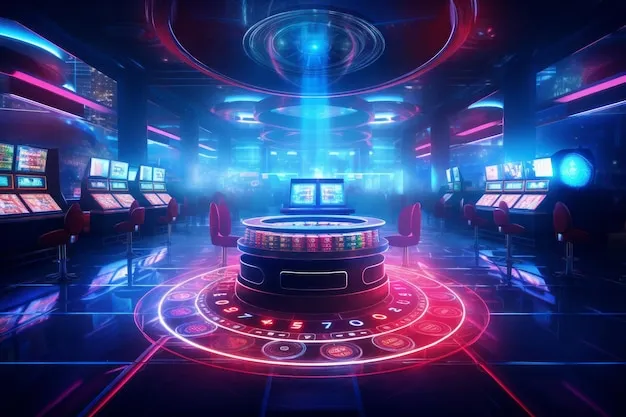
Photo: luxury online casino interface glowing screen ambient light night, via img.freepik.com
You sit down for a quick thirty-minute session. Next thing you know, it's past midnight, your bankroll has taken a hit you didn't plan for, and you genuinely cannot figure out where the last two hours went. Sound familiar? You're not alone — and you're definitely not careless. You've just been on the receiving end of one of the most sophisticated design systems in the digital entertainment world.
Luxury online casino platforms are beautiful. That's the point. But the beauty isn't decorative — it's functional. Every visual choice, every sound cue, every micro-interaction is calibrated to keep you in a state where time feels elastic and money feels abstract. Understanding how that works is the first step toward playing on your own terms.
The Flow State Is Real — and Casinos Know Exactly How to Trigger It
Psychologists describe "flow" as a mental state where you're so absorbed in an activity that self-awareness fades. Athletes chase it. Gamers love it. And casino designers actively engineer it.
High-end platforms achieve this through what researchers call environmental immersion — a combination of sensory inputs that collectively remove friction between you and the game. Smooth animations that never stutter. Background music that loops without a noticeable seam. Interface elements that respond instantly to every tap or click. When nothing disrupts your attention, your brain stops checking in with the outside world. That includes your internal clock.
The result? Sessions that feel like twenty minutes but clock in at ninety. And in that gap lives a significant chunk of unplanned spending.
The Clock Problem: What's Missing Is Intentional
Here's something worth noticing next time you're playing at a premium online casino: look for a visible, prominent clock. Chances are, you won't find one. Or if you do, it's tucked into a corner so small it barely registers.
This isn't an oversight. Land-based casinos famously removed clocks and windows from their floors decades ago — a practice so well-documented it's practically casino design folklore. Online platforms have adapted the same logic for the digital space. Instead of hiding a physical clock, they simply never make time visible as part of the interface. Your phone's clock is right there, technically — but when you're deep in a slot or watching a live dealer flip cards, you're not looking at your phone's status bar. You're looking at the game.
Luxury platforms double down on this by making navigation so seamless that there's never a natural pause where you'd think to check the time. One game flows into the next. Lobby transitions are instant. The experience is deliberately unbroken.
Ambient Design: The Sound and Light You're Not Consciously Hearing
Audio is one of the most underestimated tools in a casino platform's arsenal. Premium sites invest heavily in layered soundscapes — subtle background tones that sit below conscious awareness but create a consistent emotional temperature. Think of it like the background music in a high-end restaurant: you're not listening to it, but it's absolutely shaping your mood and your pace.
For casino platforms, that audio environment is typically calibrated to feel energizing without being urgent. It keeps your arousal level elevated just enough to maintain engagement, but not so high that you feel anxious and want to stop. It's a Goldilocks zone for spending.
Visual ambiance plays a similar role. Rich color palettes — deep golds, jewel tones, soft glows — create a sense of warmth and luxury that feels rewarding in itself. Being in the environment feels good, which means leaving it feels like a loss. That's a powerful psychological anchor keeping you at the table.
The Seamless Scroll Trap
One of the quieter design innovations in modern online casinos is the infinite lobby. Rather than paginated game lists that require deliberate clicks to navigate, premium platforms often use a continuous scroll format — hundreds of games flowing past you in an endless visual stream.
This mirrors the same mechanics behind social media feeds. Infinite scroll removes natural stopping points. There's no "end of the page" moment where you naturally pause, reassess, and decide whether to keep going. The decision to stop has to be entirely self-generated, which is cognitively harder than responding to an external cue.
Combine that with personalized game recommendations that surface titles based on your play history, and you've got an environment that's constantly offering you the next thing before you've had a moment to reflect on the last thing.
Practical Moves: How US Players Can Take Back Control
None of this means luxury casino platforms are off-limits. It means you go in with a strategy. Here's what actually works:
Set a hard timer before you open the app. Not a mental note — an actual phone alarm. When it goes off, you stop. No exceptions for "just one more round." The alarm exists precisely because your in-session judgment will be compromised by the design environment you're in.
Use the platform's own responsible gaming tools. Most reputable US-facing online casinos are required to offer session time limits and deposit caps. Set them before your session starts, not during. Your pre-session self is a better decision-maker than your mid-session self.
Introduce artificial friction. Log out between sessions rather than leaving yourself logged in. Close the browser tab completely. These small interruptions force a moment of conscious re-engagement — which is exactly what the seamless design is trying to eliminate.
Play in a lit room with a visible clock. This sounds almost too simple, but environmental cues matter. If you can see a clock from where you're playing, your brain gets regular external reminders of time passing. Playing in a dark room with headphones on is essentially replicating the sensory isolation of a casino floor — which is precisely the condition these interfaces are designed to exploit.
Budget in dollar amounts, not percentages. Luxury interfaces make money feel abstract — credits, coins, and animated win celebrations all soften the psychological weight of real spending. Counter this by converting everything to actual dollar figures before you start. "I'm playing with $50" lands differently than "I loaded up my balance."
Pretty Is Powerful — Which Is Why You Need a Plan
There's nothing wrong with enjoying a beautifully designed gaming platform. The visual polish, the immersive audio, the smooth gameplay — these are genuinely part of what makes online casino experiences fun. But fun and awareness aren't mutually exclusive.
The players who get the most out of premium platforms are the ones who appreciate the design while refusing to be entirely governed by it. They bring their own structure into an environment that's been carefully built to dissolve structure.
Know the tools being used. Set your limits before the session starts. And enjoy every beautifully rendered spin — on your schedule, not the platform's.